Key Takeaways
Generic stock photos make brands look interchangeable, not professional.
Stock imagery breaks down for niche industries and brand-specific needs.
AI-based stock photo alternatives give teams control over consistency, tone, and style.
The value of AI imagery is intentionality, not realism.
AI works best when guided by clear brand direction and human review.
Generic stock photos once made brands look professional. Today, they make them look interchangeable. Here’s why marketers are moving away from stock imagery and what’s replacing it.
Ever go looking for a quick campaign image and find yourself lost in a sea of awkward stock photos of people grinning at laptops or shaking hands in fake offices? You’re not the only one.
For years, those visuals were the easy choice. They helped teams move fast and fill gaps when custom photography was expensive or hard to coordinate. But today, they often feel off. Instead of building trust, generic stock photos make brands feel less authentic, like just another interchangeable company using the same visuals as everyone else.
The good news is that this is changing. Brands are moving away from generic imagery and toward more flexible, original, and scalable stock photo alternatives. At the center of that shift is AI.
Why Generic Stock Photos Are Losing Their Value
For a long time, stock libraries offered a fast and affordable way to make marketing content look “professional.” But audiences have become far more visually literate. Overused imagery is easy to spot, and instead of building credibility, it often triggers skepticism.
In fact, a survey of marketers found that 39% consider stock photos the worst-performing visual asset, even though they remain widely used simply because they’re easy to access (Digivate).

Flexibility is another major limitation. That smiling office team in perfect lighting might look polished, but you can’t easily change their expressions, clothing, or environment to fit a specific campaign. As a result, brands are forced to compromise, choosing visuals that don’t quite match their message or identity.
What once solved a real problem now creates a different one: visual sameness.
AI: The Stock Photo Alternative Brands Actually Need
For teams actively looking for stock photography alternatives, AI has become the most practical option available today.
AI-generated imagery allows marketers to create custom visuals by describing exactly what they need, rather than searching through thousands of generic photos that almost fit. With the right AI image generator, brands can produce visuals that feel on-brand, intentional, and scalable.
One of the biggest advantages is consistency. By developing a simple prompt library as part of your design system, teams can reuse proven phrasing to generate visuals that align with brand colors, tone, and style across campaigns. Over time, this becomes a custom visual content library rather than a collection of one-off images.
AI doesn’t just replace stock photos. It replaces the compromises that come with them.
Brand Consistency and Creative Control at Scale
What makes AI-generated images effective for marketing isn’t speed alone. It’s control.
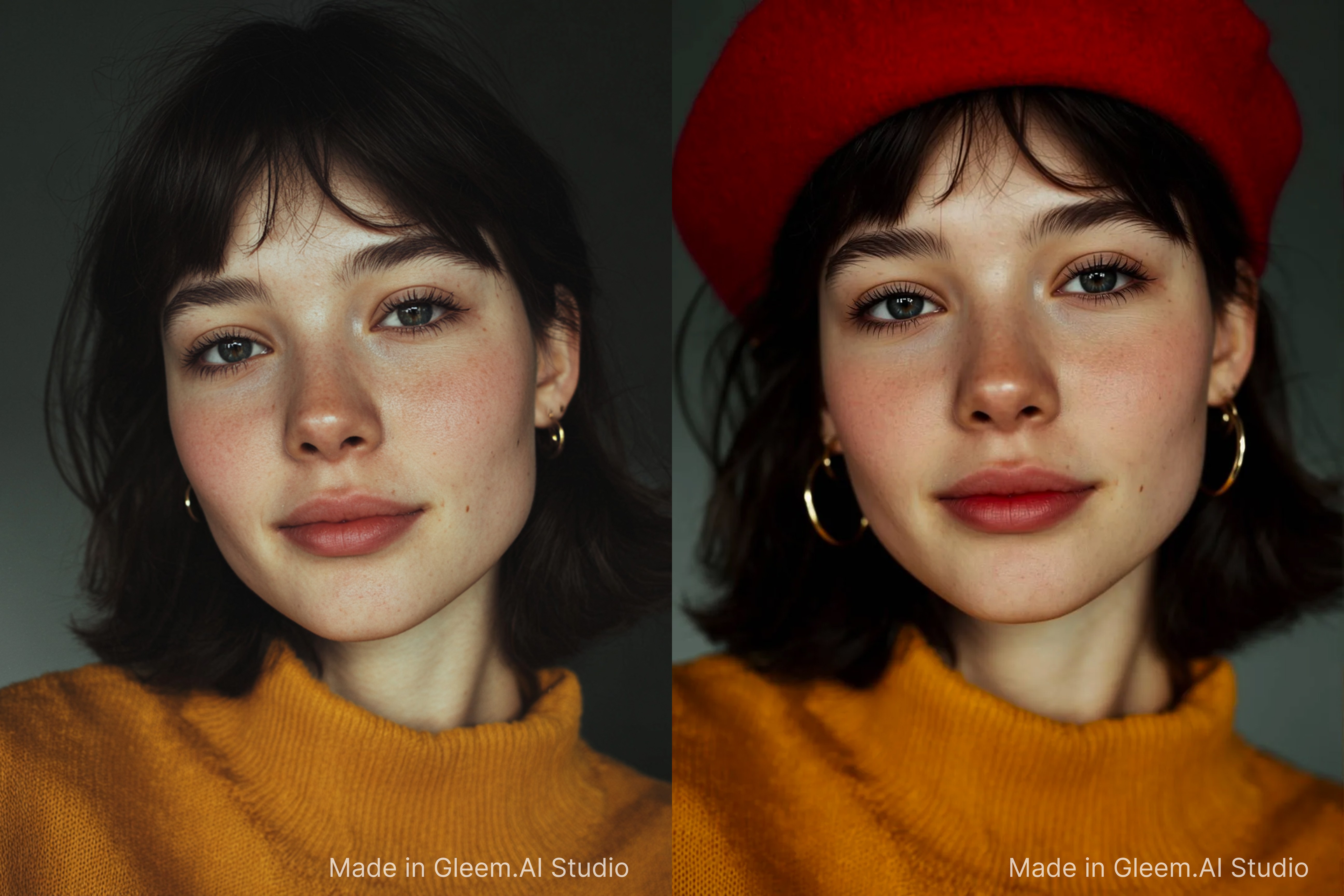
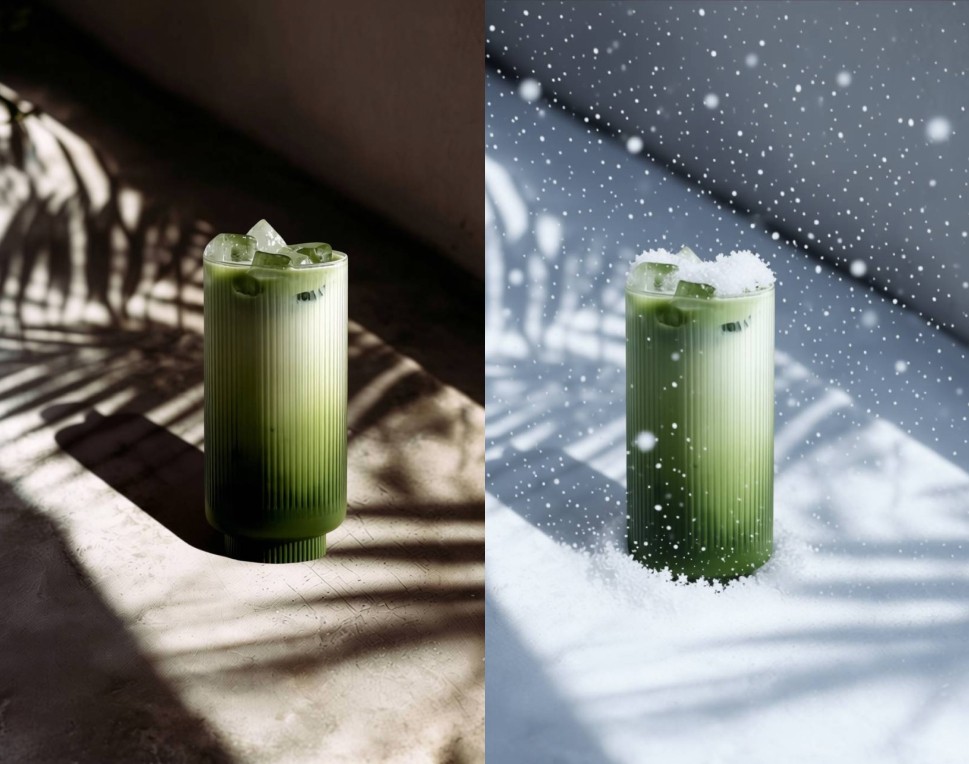
With AI, marketers can guide mood, lighting, color palette, setting, and overall tone. Instead of forcing a message into a preexisting stock photo, the visual is created to support the message from the start.
For example, a prompt like:
“Calm workspace with natural light, a laptop, green plants, and a diverse team collaborating, using soft blue and tan brand colors.” produces an image designed for that exact context. It’s not a recycled visual that’s been used by dozens of other brands. It’s purpose-built.
This is especially valuable for niche industries, technical products, or scenarios that stock libraries rarely cover well. AI-generated imagery gives brands the freedom to create visuals that reflect their reality rather than settling for generic tropes.
How to Actually Use AI for Brand Visuals
AI works best when it’s guided by clear direction. A simple framework helps teams get value without losing quality.
Step 1: Choose the Right Tool
Use an AI image tool that supports commercial use and fits your marketing workflow. Some tools focus primarily on image generation, while others are designed to help teams edit, refine, and reuse visuals at scale. Make sure your choice also aligns with your licensing requirements.
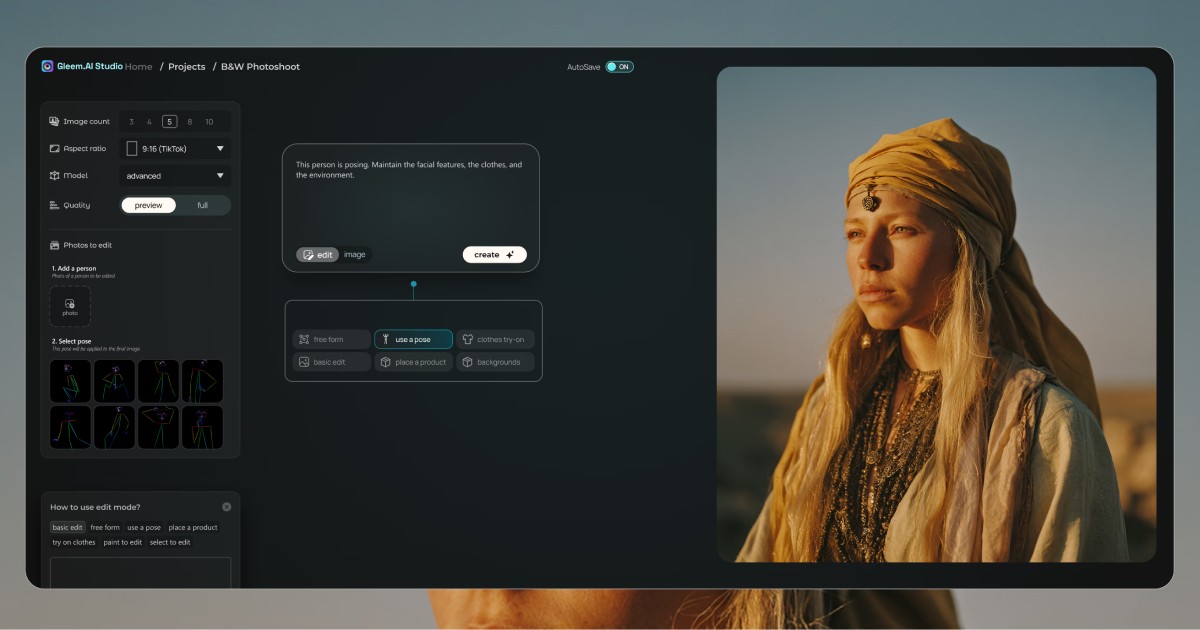
Step 2: Craft Prompts That Reflect Your Brand
Effective prompts include tone, mood, setting, and style, not just subject matter.
Examples:
Playful flat lay of beauty products with branded colors, soft shadows, fresh and clean style
Bold futuristic party with teal and orange accents, inclusive environment, high-energy vibe
Modern urban café with a diverse team working on laptops, warm natural lighting, neutral tones

Step 3: Refine and Review
AI output is a starting point, not a finished asset. Adjust colors, crop thoughtfully, and review for visual artifacts. Human judgment is still essential.
Step 4: Test and Learn
Compare AI-generated visuals with previous content through A/B testing. Track engagement and conversion data to understand what resonates and refine your approach over time.
Common Pitfalls to Avoid When Using AI as a Stock Photo Alternative
While AI offers speed and flexibility, a few mistakes can undermine results.
Ignoring brand guidelines
If visuals don’t match your brand’s tone or color palette, they create inconsistency rather than clarity.
Skipping quality checks
AI can produce subtle errors. Always review images carefully, especially those featuring people.
Using AI without human refinement
The best outcomes come from collaboration between AI and creative teams, not automation alone.
Overusing the same prompts
Repetition leads to sameness. Rotate phrasing and experiment to keep visuals fresh.
Intentionality: The New Visual Standard
AI-generated images don’t need to pretend to be real moments captured by a camera. What matters more is intentionality.
When visuals are created with clear purpose and direction, they can feel cohesive, relevant, and distinct, even if they’re AI-generated. The goal isn’t realism for its own sake, but alignment with brand values, tone, and goals.
Clear direction consistently outperforms randomness or overused stock imagery.
Final Thoughts: What to Use Instead of Stock Photos
The decline of generic stock photos is more than an aesthetic shift. It’s a strategic one.
Brands now have tools to create visual content that’s more flexible, more intentional, and better aligned with how they want to be perceived. AI-generated imagery gives teams control over consistency, storytelling, and scale without relying on visuals that make them look interchangeable.
The end of stock photos doesn’t mean the end of efficiency. It means replacing compromise with intention.