
Can one person realistically handle an entire creative project from start to finish? Ten years ago, that would have sounded unrealistic. Today, AI for freelancers has transformed how creative work is done. With AI tools for content creators, designers, and solopreneurs, one person can now manage what used to require a full creative team.
AI-powered workflows have changed the math. A single freelancer can now manage work that once required a copywriter, designer, editor, strategist, and producer. What used to take days can now happen in hours. What once required a budget and a team can now be done with a laptop and the right tools.This shift is redefining creativity for freelancers, solopreneurs, and content creators. It’s no longer about doing more with less. It’s about working smarter, with AI as a partner. Welcome to the age of the one-person creative team.A 2025 survey of over 8,100 freelancers by Freelancer.com found that 73% of freelancers worldwide now use AI tools in their work, with adoption even higher in the U.S., where about 75% of freelancers report using AI.
What Is a One-Person Creative Team?
A one-person creative team is a freelancer or independent creator who handles every stage of a project with the help of AI. Writing, design, editing, launch strategy. All managed by one person, supported by intelligent tools.
These creators are not cutting corners. They are increasing creative efficiency by automating repetitive tasks and routine work. That frees up time for what actually matters: storytelling, branding, positioning, and strategic decisions.
Instead of getting stuck in busywork, they focus on taste, direction, and execution quality. In practice, a one-person creative team operates like a mini-agency. They plan, produce, and ship creative work end to end, using AI as a collaborator rather than a replacement.
Why AI Is the New Creative Partner
AI is no longer just a productivity hack. It has become a creative partner. It helps with brainstorming, drafting, visual exploration, campaign angles, and iteration. Many AI tools for designers now support rapid creative iteration, allowing faster exploration of layouts, branding directions, and visual styles.
Instead of waiting for feedback or approvals, you can generate multiple directions in minutes and start refining immediately. You test ideas faster. You discard weak concepts earlier. You move with momentum.
Use AI to create rough drafts and visual options. Then refine the strongest ones with your own style, voice, and strategy. You stay in control of the final result while making iteration faster and more sustainable.
The real advantage is not producing more output. It is making better decisions with less friction. AI handles the repetitive lifting. You focus on clarity, direction, and impact.
Real-World Use Cases: How Freelancers Are Using AI Today
Here’s how independent creatives are combining their skills with AI platforms to work smarter, faster, and more strategically.
Branding and Identity Design
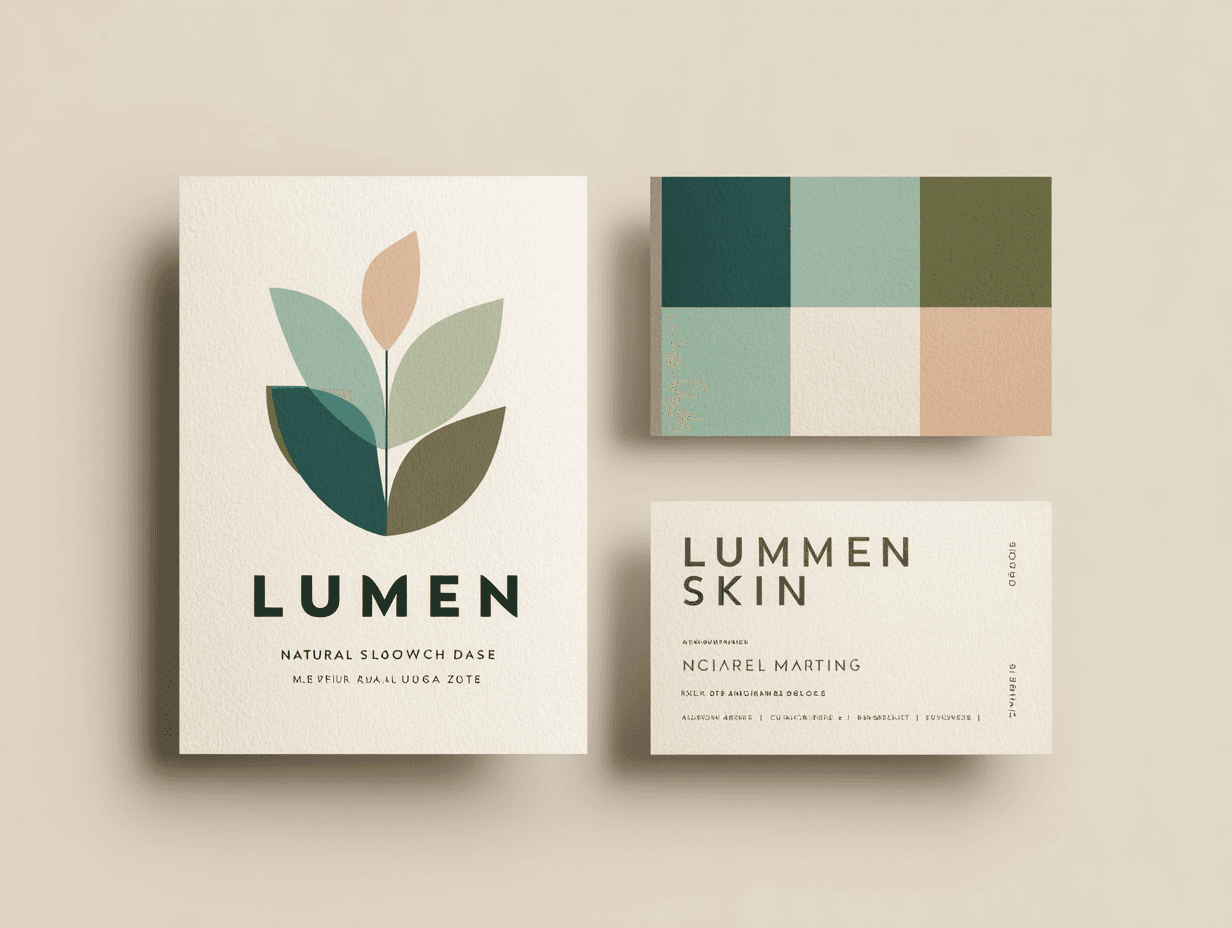
In branding and identity projects, freelancers are using AI-powered design tools to rapidly generate moodboards, explore color palettes, and test multiple logo directions in minutes rather than days.
Instead of manually creating endless variations, they use AI to explore a wide range of visual territories quickly. From there, they refine, curate, and shape the strongest concepts into distinctive, client-specific identities.
The result is not generic branding. It’s a faster path to clarity. AI handles the repetitive exploration phase. The designer focuses on positioning, narrative, tone, and the emotional layer that actually makes a brand memorable.
Many AI tools for designers now support faster creative iteration, allowing freelancers to explore more visual directions in less time before refining the final concept.
Creative nuance stays human. Iteration becomes dramatically more efficient.
Social Media Content
For social media, freelancers are increasingly using AI to handle the first draft layer: captions, post concepts, hooks, and rough scripts for short-form videos.
Instead of staring at a blank page, they generate 10 to 20 variations in minutes. Then they step in. They filter, edit, tighten, and adapt the strongest ideas to match the brand voice, campaign goals, and platform context.
This approach works best when the human sets clear guardrails upfront: audience, objective, tone, and channel. Without direction, AI defaults to content that looks polished but feels generic and forgettable.
The real value is not letting AI “run the account.” It’s using it to accelerate ideation and iteration. AI expands the option set. The freelancer controls strategy, timing, and the emotional hook that actually makes someone pause mid-scroll.


Marketing and Ad Copy
In marketing and ad copy, AI is most powerful when the fundamentals are already clear. If you know your audience, your offer, and your core message, AI can quickly generate multiple angles, headlines, and short-form variations to explore.
This makes it easier to run A/B tests, adapt messaging for different segments, and refresh campaigns without draining creative energy. Instead of rewriting the same idea ten times, you start with a wide field of options and refine from there.
But AI does not replace strategy or judgment. It cannot reliably determine what feels emotionally sharp, on-brand, or contextually right. The human sets the direction, filters the output, and makes the final decision on what goes live.
AI accelerates production. The marketer protects the signal.

Photo Editing and Post-Production
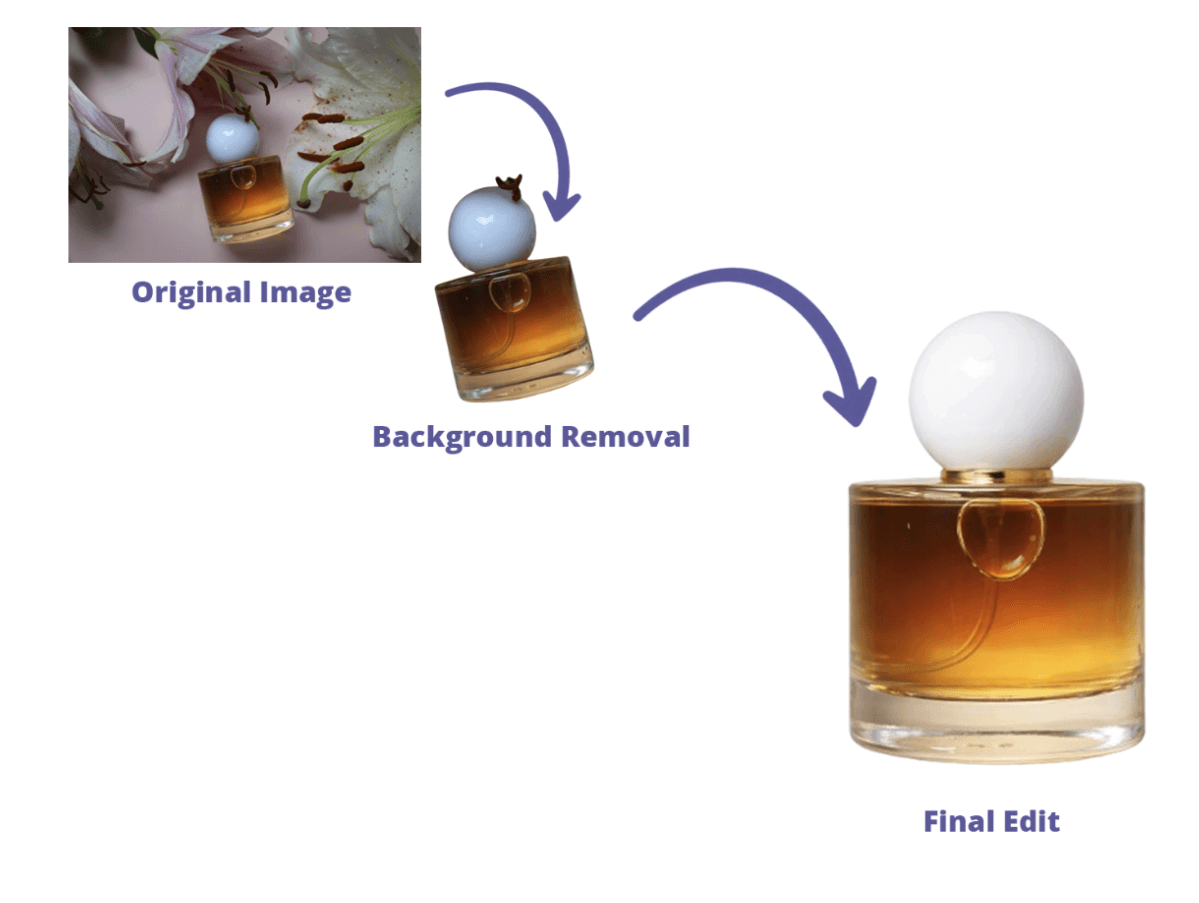
Freelancers involved in photo editing and post-production are using AI to automate repetitive tasks like background removal, lighting adjustments, and object cleanup. This shift frees up time so they can focus more on capturing creative visuals and refining composition, rather than spending hours on manual edits.
In practice, AI is most helpful for bulk cleanup and first-pass corrections, not for making final creative decisions. The human still has to judge color grading, mood, and storytelling in the image. The real advantage is speed: you can process more shots, test more variants, and deliver faster, while keeping your creative judgment at the center.
Web and UI Design
In web and UI design, independent creators are combining no-code platforms with AI-powered design tools to build functional websites and app interfaces without deep coding expertise. AI can suggest layout improvements, spacing adjustments, and visual refinements, which helps enhance user experience and consistency.
This doesn’t mean you can just “type a prompt and ship a site.” The best results come when the designer sets clear goals, user flows, and brand constraints first. AI then becomes a fast-feedback layer: it proposes options, you decide what fits, and you refine the details. For solopreneurs and small-budget projects, this combination makes it possible to build and iterate quickly without a full-stack team.
Step-by-Step: How to Operate Like a One-Person Creative Team
1. Define Your Workflow
Break your process into creative and repetitive tasks. Ask yourself:
What parts of my work are predictable and repeatable?
What parts actually require my taste, strategy, and storytelling?
Once you see the pattern, you can start delegating the repetitive bits to AI and protect your energy for higher-value decisions.
2. Pick the Right AI Tools for Freelancers
Choose tools that align with your strengths and the kind of work you want to do. Look for platforms that are flexible, produce high-quality outputs, and fit smoothly into your existing workflow. Some of the best AI tools for freelancers today include platforms for copywriting, design, video creation, and AI creative platforms that combine multiple workflows in one place. Some widely used tools include:
Jasper – for high-quality marketing copy, blog content, and ad variations.
Canva (Magic Studio) – for visuals, presentations, and social-media content using AI-powered templates and tools.
Pictory – for turning scripts, blogs, or video clips into short-form content for social platforms.
Framer – for building and customizing interactive websites with AI-assisted layouts, no coding required.
Gleem AI – for generating, editing, and remixing images for social media, professional photos, and more.
The goal isn’t to use all of them, but to pick a small stack that genuinely speeds up your work.
3. Start with AI, Finish with Craft
Use AI for idea generation, rough drafts, and variations. Let it handle the heavy lifting of first passes, then apply your vision to refine the final product. This approach lets you test more directions quickly while still keeping your personal style and brand voice at the core.
4. Focus on Brand Consistency
Create reusable templates, style guides, and brand kits. This supports asset reuse across projects and ensures that even AI-generated content stays on-brand, visually cohesive, and aligned with your audience’s expectations. Consistency builds recognition and trust over time.
5. Keep Learning
New tools and features launch constantly. Even small improvements in AI platforms can lead to big gains in efficiency or quality. Make it a habit to explore updates regularly and test what actually moves the needle in your own workflow.
Pro tip: Batch your tasks and let AI handle variations. For example, create one base design, then repurpose it for different channels using platform-specific outputs.
Watch Out for These Common Pitfalls
Even though AI is rapidly improving, there are still common traps to avoid:
Generic outputs: AI needs direction. Without clear constraints, results can feel bland or interchangeable. Be as descriptive as possible and highlight your requirements.
Over-editing: Let the work breathe. Too many effects or layers can weaken impact or make things look uncanny. Sometimes, less is more.
Legal risks: Be cautious with AI-generated imagery in commercial projects. There is still controversy around how many models are trained, so it’s important to understand the licensing and potential risks before using them with clients.
What This Means for the Future of Freelance Work
The rise of AI tools for freelancers reflects a larger shift in how creative work is done. With the right setup, one person can now deliver results that once required a full team. This changes not just the speed of delivery, but the expectations clients have for what’s possible.
A study from arXiv as of May 26, 2025 found that only about 33% of real-world editing tasks can currently be completed perfectly by AI. Human input still makes a big difference. So while AI handles execution, your job is to lead with vision. The freelancers thriving today are the ones using AI to expand their creative range, not replace it.
Where Human Creativity Still Wins
Even the best AI tools don’t replace human emotion, taste, or originality. Creative leaders like Prasoon Joshi remind us that real impact comes from lived experiences and emotional depth, not data alone. This is why clients continue to choose individuals over faceless automation. Human-centered storytelling still matters most.
“AI is a powerful enabler, but it should not be used as a shortcut to originality.”
– Prasoon Joshi, The Times of India
Final Thoughts
The future of freelance work is agile, efficient, and deeply creative. The tools are here. The opportunity is real. Use AI to streamline your process, test ideas faster, and scale your output. Keep your unique perspective at the center. That’s where the magic happens.
Because no matter how smart the tools become, it’s still your voice, your choices, and your story that make the difference.