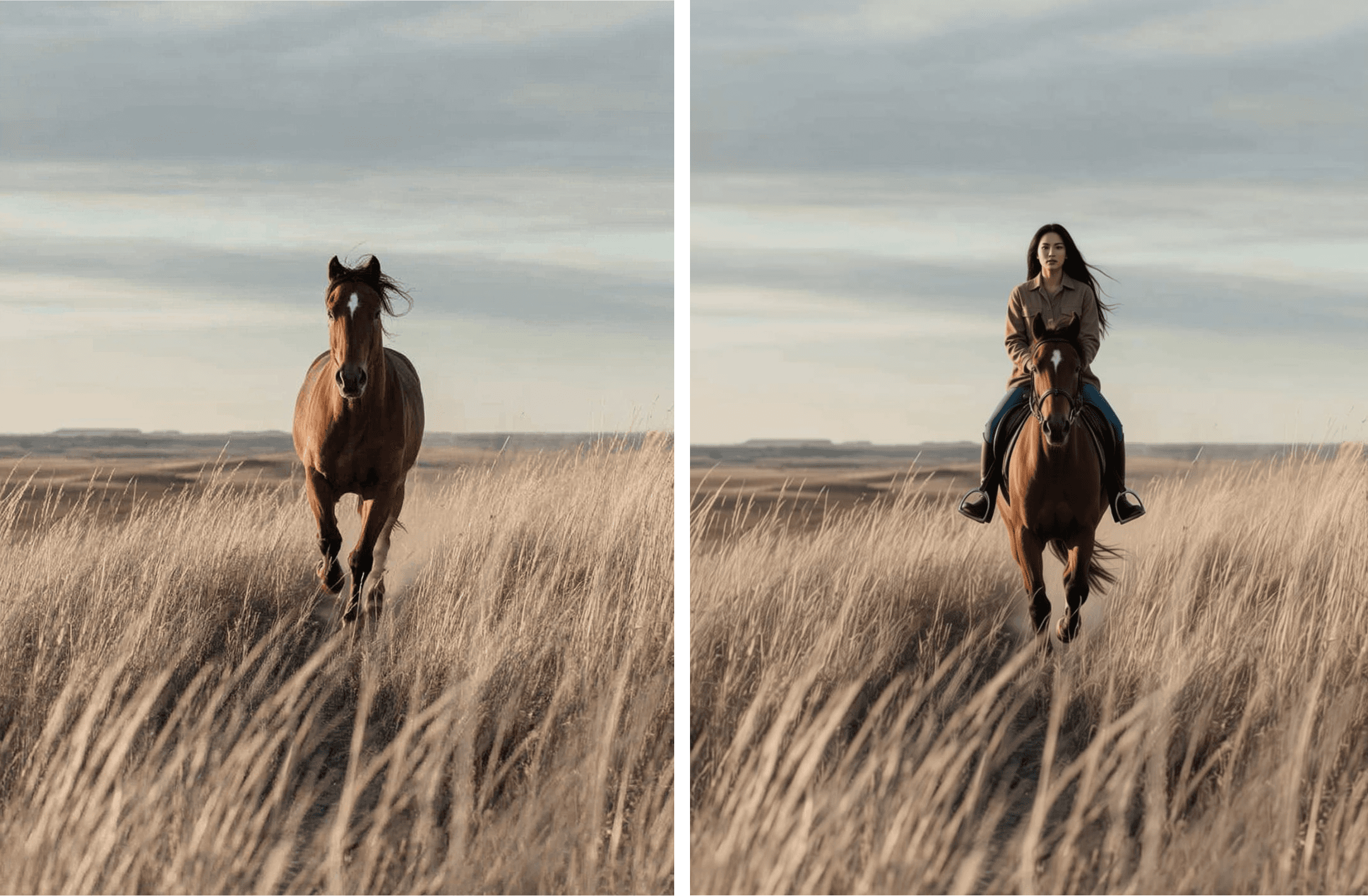
Most creators and small teams know the pain of staying visually consistent online, new headshots for every campaign, rushed thumbnails, uneven “About Us” photos, and creative assets that never quite match.
Meanwhile, AI-savvy brands have already started solving this. They use AI avatar generators and custom avatars. These avatars are realistic and specific to their brand. They help keep how their people and products look the same on every channel. This avoids many design rounds and costly photo shoots.
Unlike stock avatars or generic stock photos, these AI-generated visuals can actually look like you or your team, giving your brand a consistent, recognizable face instead of a placeholder image.
And the best part? You don’t need a production studio or deep technical skills to do the same. Today, anyone can use easy tools to create a realistic avatar. They can make matching visuals for thumbnails or websites. They can keep every touchpoint, like LinkedIn and YouTube, visually consistent.
Many teams are even building their own library of avatars, a reusable collection of characters and brand visuals that fit different campaigns, audiences, or product lines while keeping a cohesive look and feel.
The result? More content, less friction, and a consistent image that scales with your brand. AI avatars aren’t about replacing people - they’re about freeing teams to focus on the creative work that drives results.
But Who Are They Really For? The Bold, the Small, or Everyone?
AI is now a tool for everyone - but the biggest brands are already showing what’s possible.
L’Oréal is placing AI at the center of its global marketing strategy, using it to scale content creation across brands and regions. The company is leveraging AI-generated models and production tools to adapt visuals for local markets while maintaining strict brand guidelines, accelerating time to market without sacrificing consistency or control.
Zalando and H&M use AI-generated models to show clothes on different body types. This improves inclusivity. It also lowers product photo costs. Their lesson: avatars let you expand representation without increasing logistics.
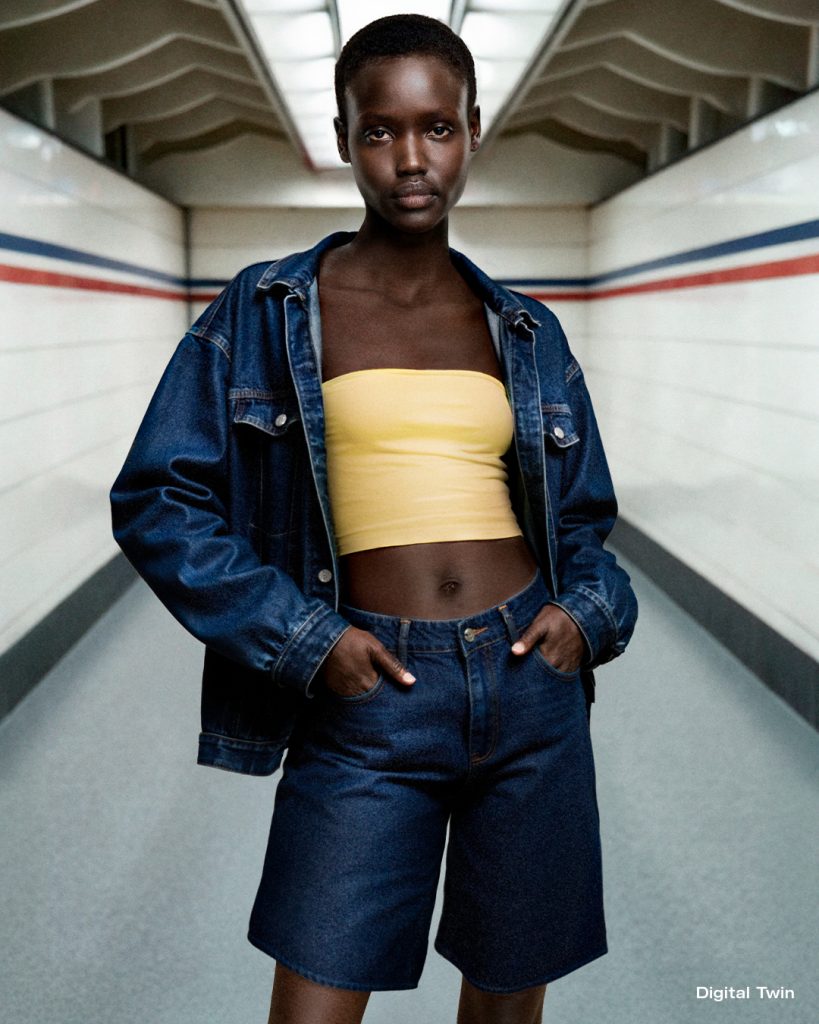
Coca-Cola tested AI-created brand ambassadors for social campaigns. They kept visual consistency across markets. They did this without sending production crews worldwide. The takeaway: avatars aren’t about automation, they’re about brand control at scale. Source: https://www.ben-cotton.com/blog/ai-coca-cola-brand-campaign
Big brands adopt custom avatars because they solve the oldest creative problem in marketing: how to look consistent everywhere, all the time, something stock avatars and photo shoots alone could never scale.
How Smaller Businesses and Solo Entrepreneurs Are Leveraging AI Avatar Generators
Thankfully, AI tools have become simple and affordable. You can create an avatar that represents you or your brand in minutes, no design degree or large budget required. Here’s how smaller teams are already putting them to work:
Consistent Thumbnails That Boost Recognition
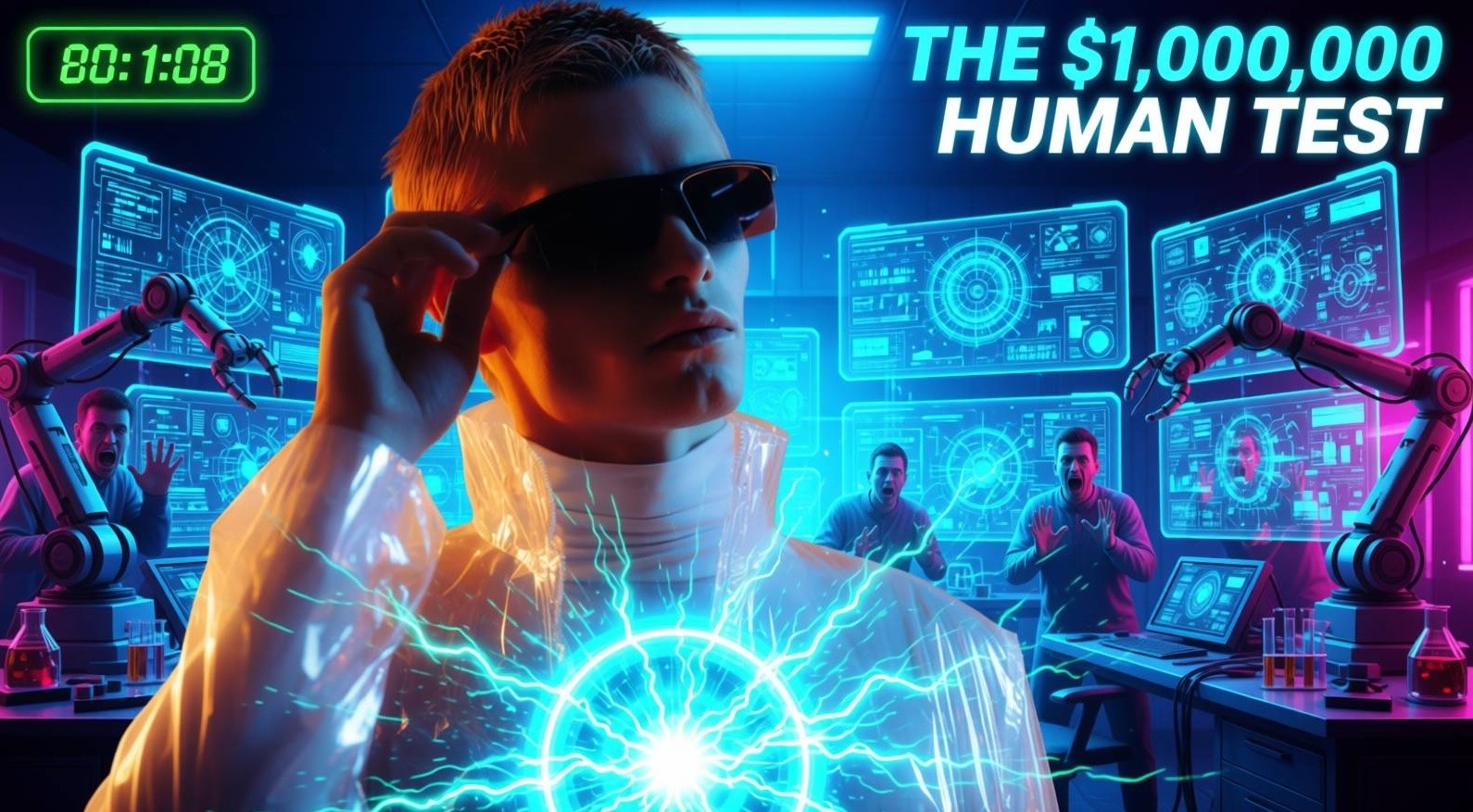
Creating fresh visuals needn't be a daunting, repetitive task. Custom AI avatars enable you to drastically cut the time spent on creative efforts, guaranteeing that each thumbnail and social media profile image is immediately recognizable. Instead of arranging new photo sessions or investing time in editing similar images, you can rapidly produce visuals that perfectly match your brand's style and personality.
The result? Faster workflows, consistent branding, and visuals that feel both professional and personal. It’s the smart way to keep your brand cohesive, without burning out your creative energy.
Cohesive “About Us” Pages Without Group Shoots

If you manage a distributed team or remote business, you can use AI avatars for individual team headshots that share consistent lighting, background, and visual style, even though each team member is in a different location or time zone. This means you present a unified brand on your website without coordinating a single group shoot.
Campaign Visual Mock-Ups & Variations
Before launching a new product, promotion, or seasonal campaign, you can generate variations of your avatar: different poses, backgrounds, outfits, lighting moods. Because your avatar is already associated with the brand identity, you can preview and iterate visuals much faster than hiring a photographer or waiting on design rounds.
Lead-Gen & Personalised Outreach
An avatar can act as a visual representation in outreach or marketing assets, such as welcoming a visitor on a landing page, appearing in a personalised email header, or featuring in a short promo video. Because you control and brand the avatar, you enhance the perception of a one-to-one experience while operating at scale.
AI custom avatar generator tools emphasise this kind of use: “Marketing: act as brand ambassadors” for campaigns.
The Visual Efficiency Stack: A New Way to Think About Creative Scale
Leading marketing teams are starting to treat AI avatars as part of what we can call the Visual Efficiency Stack - the toolkit that helps brands stay:
Recognizable (consistent look and identity)
Scalable (easy to reproduce and adapt across channels)
Authentic (human-centered, not robotic)
AI avatars sit at the center of this stack. They connect design, branding, and personalization. This lets marketers keep quality and speed up production.
AI Avatars Help You Scale for a Fraction of the Cost
When AI avatars first appeared, they seemed like novelties. But they’ve become one of the fastest-growing categories in marketing tech.
According to McKinsey’s State of AI in 2024 report, 75% of companies have already integrated generative AI into at least one business function, with marketing among the most active areas. That shift includes creative teams now using AI-generated visuals - from avatars to product shots - as part of their daily workflows.
The reason is simple: avatars scale what’s human, not what’s robotic. Teams still write the copy, shape the message, and set the tone, but avatars handle the heavy lifting of visual execution.
One avatar can appear in dozens of campaigns, adapt to countless scenarios, and stay perfectly on-brand without reshoots or delays. It’s like having an ever-ready, camera-ready version of your team.
For small brands, this means professional marketing at a fraction of the cost. For large ones, it means global consistency and always-on campaigns.
Generative AI technologies, along with advancements in emotional rendering and style transfer, are continually improving. As a result, these AI-driven avatars are set to evolve into highly interactive experiences. They will enable and enhance personalized content delivery, facilitate virtual demonstrations, and significantly boost customer engagement on a larger scale.
Why Consistent Content Drives Fastest Growth
The companies that scale the fastest aren’t the ones producing the most content, they’re the ones producing it most consistently.
AI avatars make that consistency effortless. They help creators, marketers, and teams look professional, stay on-brand, and remove the constant drag of production.
Start small. Generate one avatar. Test it in a thumbnail, a profile photo, or your team page. Then scale what works, because the future of branding belongs to teams that look as sharp as they sound.